Why trust determines research speed- and what teams can do about it.

Solving the New Bottleneck in Modern Research
read more

Back to all posts >
Data-Experience Gap
People use countless devices on a daily basis, and how well those devices work directly impacts user experience and overall satisfaction. A phone, computer, or TV that is consistently slow or lagging interrupts tasks and adds friction to daily routines. Fortunately, modern devices capture extensive logs that record how they function, from tiny hiccups to major errors. But with the sheer volume of interactions we all have with devices, and the number of glitches (both visible and invisible) that occur, manufacturers identifying the specific issues that actually matter to the user can feel like searching for a needle in a haystack.
Device Data
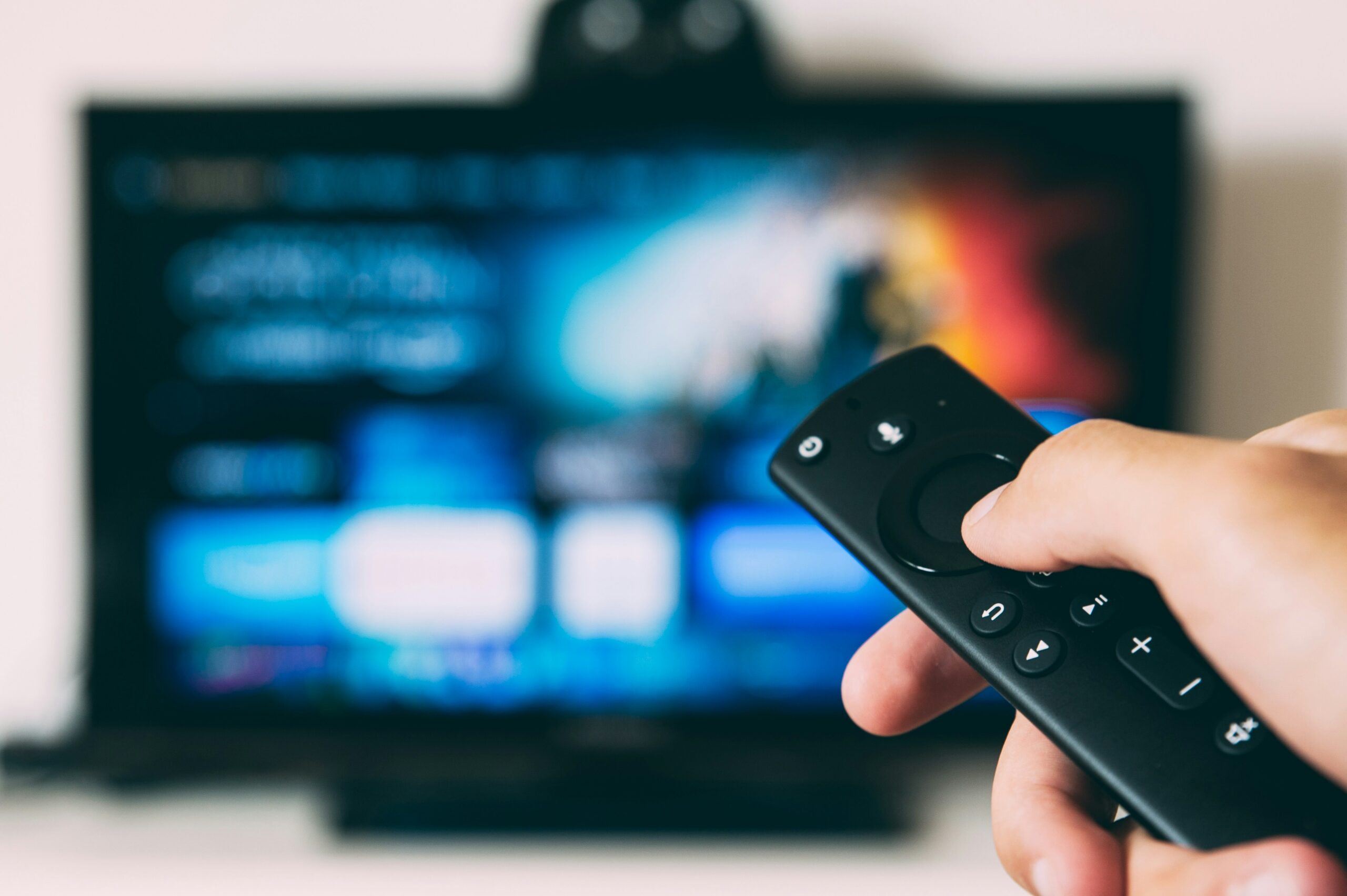
Telecommunication devices, most notably streaming devices and Smart TVs, collect endless data. Every action is logged: powering on and off, reboot cycles, restarts, version updates, connectivity changes, crash signatures, and more. While more data may seem inherently useful, this device-level information is dense, technical, and unprioritized. Without context, it’s difficult to decipher which internal codes correspond to meaningful user disruptions and which are harmless background noise. Since device fixes take time, teams need a way to identify which issues should be addressed first due to their causing the most frustration among users.
User Data
That is where user data comes in. Users are the experts on a device’s issues. They know which problems disrupt viewing, slow them down, or make a device feel frustrating to use, as well as which issues they barely notice. Through surveys, feedback tools, and in-app reporting, users can signal how often issues occur, how long they last, and how frustrating they are. Improving the product meaningfully requires this human layer of insight: the context that raw device logs can’t provide.
Creating a Roadmap
However, the path from “users reported an issue” to “engineers know exactly what to fix” isn’t straightforward. That is where these two types of data synthesize. Devices produce hundreds of possible log codes, while users describe the experience in broader terms, such as “the app froze,” “the device shut off,” “screen never loaded.” Alone, each data source has limitations: device data is actionable but unprioritized, and user data is rich but non-specific.

Let’s take a real-world scenario. Imagine a mobile device where users frequently report that the “camera crashes on startup.” On its own, that feedback simply tells us something is wrong with app initiation. However, it gives engineers a precise starting point within the flood of device log codes, helping them filter out harmless background noise from the issues that actually disrupt the user.
Once the data is synthesized, the team can see that 90% of those specific startup crashes occur on one particular phone model under exact conditions—such as immediately after a specific operating system update. Now, instead of aimlessly attempting to fix a vague performance issue, there exists a clear, data-driven bridge between the user’s frustration and the technical fix. This clarity saves weeks of broad troubleshooting, allowing engineers to deploy a targeted patch and restore service to thousands of users instantly.
What this means
When all companies, not just telecommunications companies, bridge the gap between device data and user experience data, they begin improving their devices in an impactful way.
In short: combining these two perspectives transforms scattered signals into targeted action—leading to better products, happier users, and a cycle of improvement based on real human experience and utilizing a well of device knowledge .
Natanya Roseman, Research & Insights Analyst
Why trust determines research speed- and what teams can do about it.

AI provides scale and speed, while humans add emotion and depth to create a powerful tool.

Uncovering the CX – Operations Gap
to a detailed overview of our Market Research services, including our core pillars and capabilities!
